Getting a Garage Pad Pouring Service Right the First Time
Pouring a concrete garage pad looks straightforward on paper. You mark out the space, bring in a concrete mixer, and pour. But anyone who has lived through a garage floor that cracked within a year or started settling unevenly knows the difference between a quick pour and a properly built concrete slab. Over the years working with residential concrete in Norfolk County, I have seen what happens when shortcuts are taken during a garage pad pouring service. The results are almost never good.
A garage pad is more than just a flat surface to park a car on. It supports the weight of vehicles, tools, and whatever else you store in there. It sits on the ground, meaning it is exposed to seasonal freeze-thaw cycles, moisture from below, and the constant pressure of heavy loads. That is why the process of pouring one requires careful planning and attention to detail from excavation right through to the final finish with a trowel.
Why the Ground Preparation Matters More Than the Pour Itself
Most homeowners I have worked with focus on the pour. They watch the concrete mixer arrive and imagine the finished floor. But the most critical work happens before a single bucket of concrete hits the ground. A proper garage pad pouring service always starts with excavation. You have to dig down deep enough to remove topsoil, organic material, and any soft ground that would shift over time. In Norfolk County, the soil varies quite a bit from property to property. Some lots have sandy loam that drains well, others have clay that holds water and expands when it freezes. That difference changes how deep you need to go and what kind of gravel base you need to lay down.
After excavation comes the gravel base. This is not just a thin layer of crushed stone. A solid base for a garage pad is usually four to six inches of compacted gravel. The gravel does several jobs. It provides a stable surface for the concrete to rest on, it allows water to drain away from underneath the slab, and it helps distribute the weight of whatever is parked on the floor. Without a good gravel base, even a thick concrete slab can crack or settle. I have seen pads poured directly onto clay that looked fine for a season, then developed a noticeable dip after the first winter. That dip is hard to fix without tearing out the whole slab.
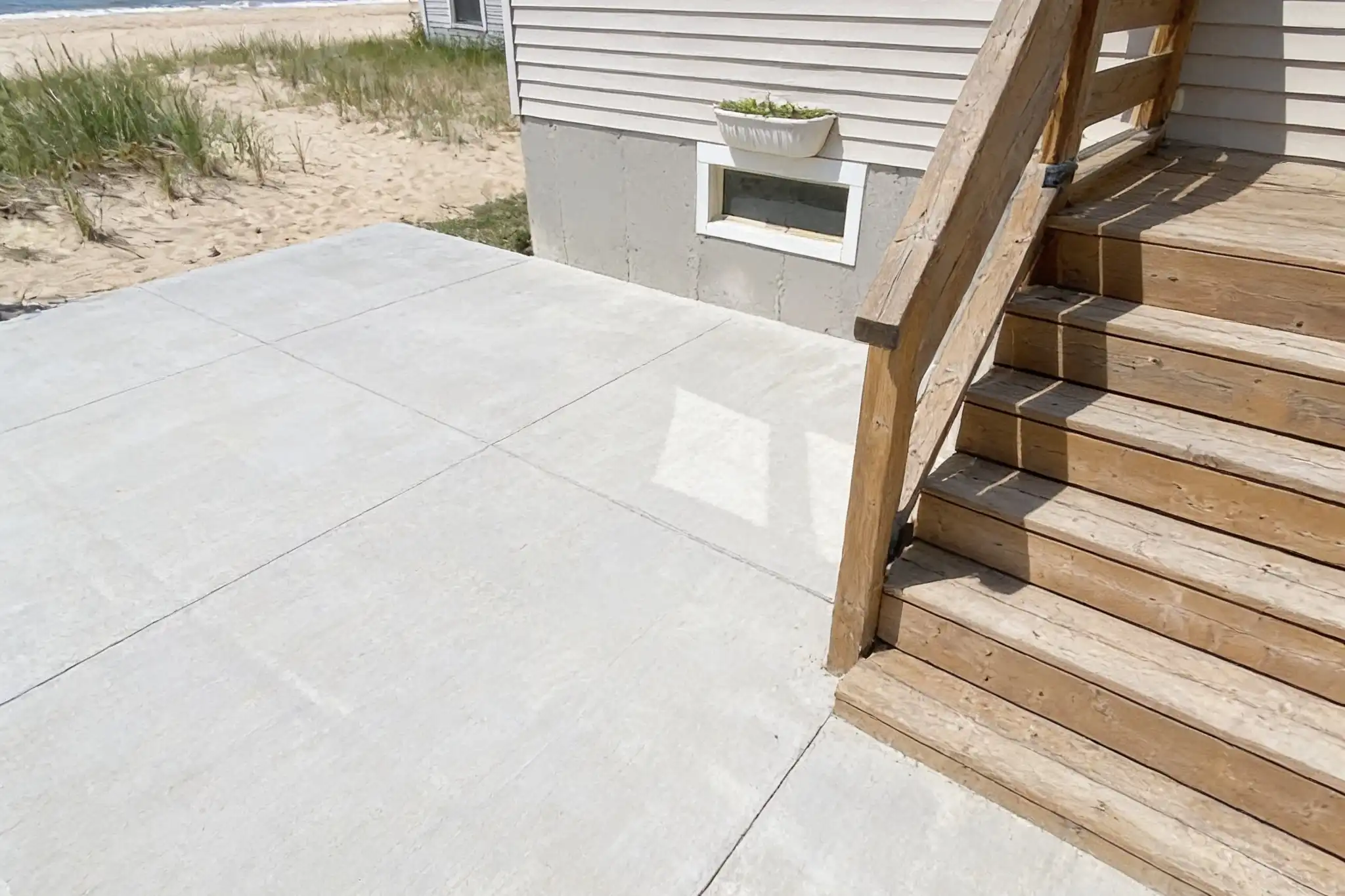
Once the gravel is down and compacted, the next step is forming and reinforcing. This is where the skill of the crew really shows. A good concrete contractor will set up forms that are level and square, and they will place rebar on chairs so the steel sits in the middle of the slab, not on the bottom. Rebar is what gives the slab tensile strength. Concrete itself is strong under compression but weak under tension. When a heavy truck or car drives onto the pad, the slab bends slightly. The rebar handles that bending and prevents cracks from opening up. I have seen pads where the rebar was laid directly on the gravel, which means it ends up near the bottom of the slab where it does little good. That is a waste of steel and money.
Mixing and Pouring: Getting the Concrete Right
The concrete mix itself matters a lot for a garage pad. A standard mix for a driveway or patio might work for light use, but a garage floor should be designed for heavier loads. That usually means a higher ratio of Portland cement to aggregate, and a lower water-to-cement ratio. Too much water makes the concrete easier to pour but weaker once it cures. Experienced crews know how to manage this trade-off. They add just enough water for the mix to flow and be workable, then they use a power screed to level the surface without adding more water.
The pour itself is a race against the clock. Concrete starts setting within an hour or two, depending on the temperature and humidity. On a hot summer day in Ontario, the window is even shorter. That is why a well-organized garage pad pouring service brings enough crew and equipment to handle the pour in one continuous operation. Stops and starts create cold joints, which are weak lines in the slab where fresh concrete meets concrete that has already started to set. A cold joint is a crack waiting to happen.
After the concrete is spread and screeded, the crew uses a trowel to finish the surface. Floating and troweling bring the fine aggregate and paste to the top, creating a smooth, dense surface that resists wear and dusting. Timing here matters just as much as during the pour. Trowel too early and the surface gets slick and weak. Trowel too late and the concrete has set too much to work. A skilled finisher knows exactly when to start and stop.
Expansion Joints and Curing: The Details That Last
Even with good reinforcement, concrete expands and contracts with temperature changes. That is where expansion joints come in. These are intentional gaps cut or formed into the slab that allow the concrete to move without cracking randomly. For a garage pad, expansion joints are usually placed around the perimeter where the slab meets the walls, and in the middle of the pad if it is large enough. Without them, the concrete will find its own place to crack, and it will not be a straight line. I have seen garage floors with a single jagged crack running from one corner to the opposite. That crack collects dirt and water and only gets worse over time.
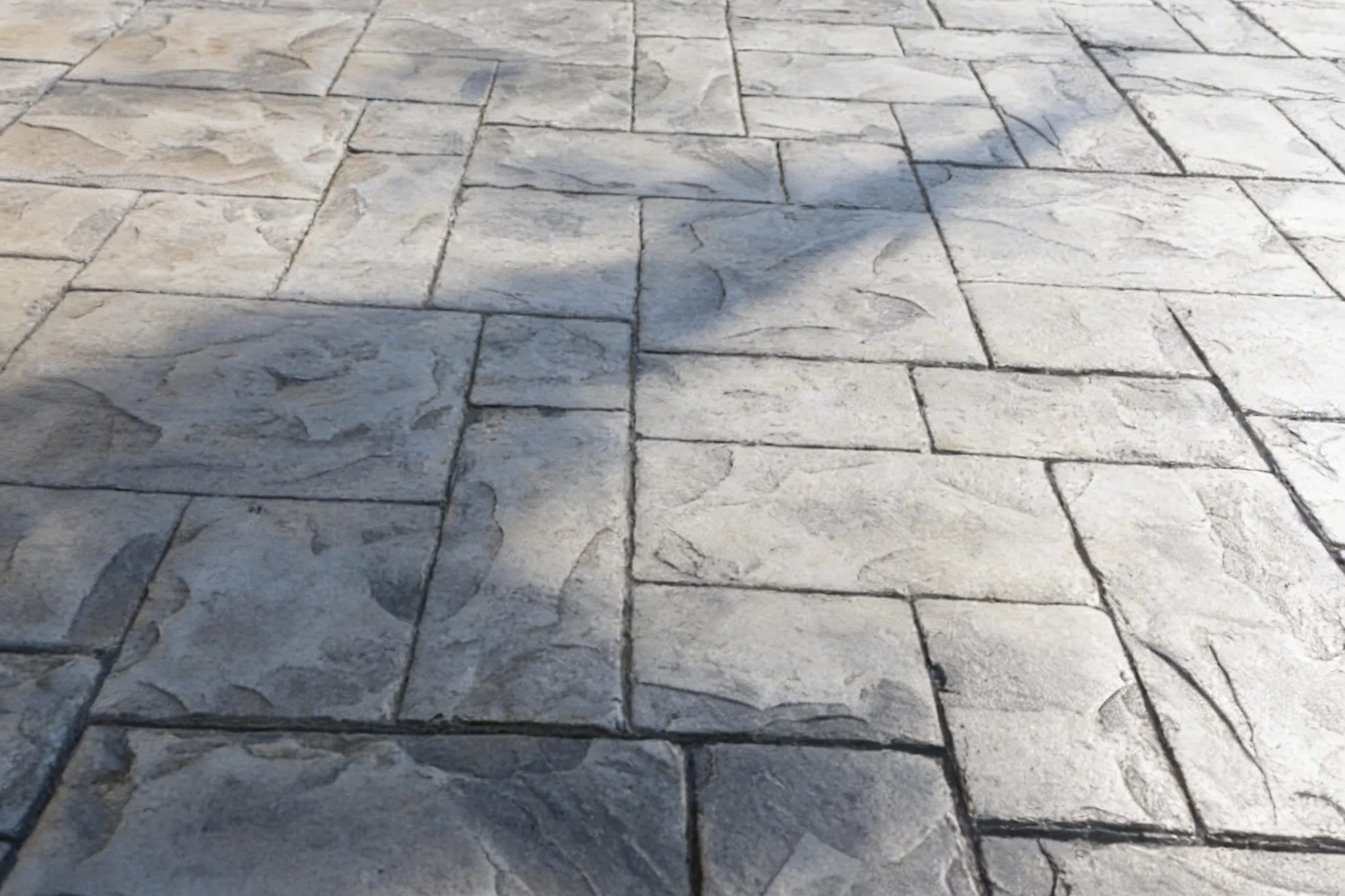
Curing is another step that is easy to skip but hard to replace. Fresh concrete needs to stay moist while it gains strength. If the surface dries out too fast, it shrinks and cracks. A good contractor applies a curing compound or covers the slab with wet burlap and plastic for at least a few days. Some homeowners want to drive on the pad as soon as possible, but rushing the cure weakens the entire slab. I always tell people to wait at least a week before parking a vehicle on a new garage pad, and a full 28 days before putting heavy equipment on it.
A concrete sealer applied after the cure can also extend the life of the pad. Sealers reduce water absorption, resist oil stains, and make the surface easier to clean. They are not required, but they are a small investment that pays off over time.
When a Garage Pad Pouring Service Makes Sense
Not every concrete job needs a full crew and a professional service. A small shed foundation or a garden path can be a DIY project. But a garage pad is different. It is a structural slab that has to carry heavy loads and last for decades. The cost of fixing a failed garage floor is much higher than the cost of doing it right the first time. That is why hiring a union crew with experience in residential concrete work is a smart move. Union crews in Ontario typically have formal training and follow established standards for mixing, placing, and finishing concrete. They know how to handle the variables that come with each site.
When you call for a free quote, a good contractor will walk through the site with you and explain what they see. They will check the soil, look at drainage patterns, and ask about what you plan to park or store in the garage. That conversation is your chance to see whether they think about the same details I have mentioned here. If they brush off the gravel base or the rebar spacing, that is a red flag. If they talk about expansion joints and curing without you asking, that is a good sign.
In Norfolk County, the winters are cold enough that frost heave is a real concern. A well-built garage pad with a proper gravel base and reinforced slab can handle that freeze-thaw cycle year after year. I have seen pads that were poured twenty years ago that still look flat and solid. They were done by crews who took the time to do the job right.
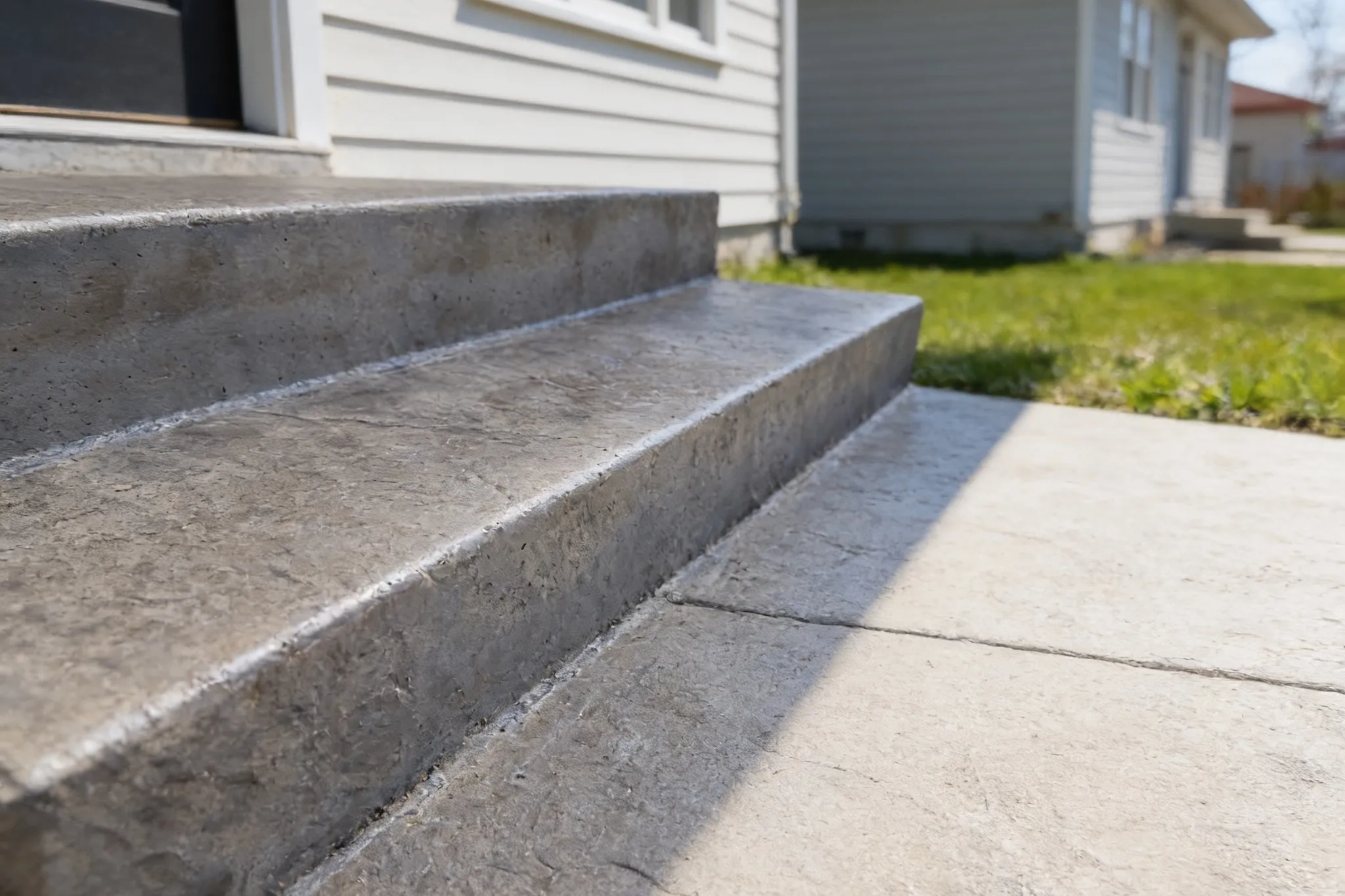
Is a Garage Pad the Same as a Driveway Apron or Patio?
Not exactly. A driveway apron is the transition from the road to your driveway, and it handles vehicle traffic as well, but it usually sits on a prepared base that is similar to a garage pad. A patio is typically a thinner slab that does not need the same load capacity. A foundation for a structure has different requirements, including footings below the frost line. Each of these concrete projects has its own best practices, but the principles of good base preparation, proper reinforcement, and careful finishing apply across all of them.
If you are planning a new garage or replacing an old concrete floor, take the time to find a contractor who treats the job with the seriousness it deserves. A garage pad pouring service that includes excavation, a compacted gravel base, rebar on chairs, a proper mix, expansion joints, and a full cure will give you a floor that lasts. That is not just good practice. It is peace of mind every time you pull into the garage.